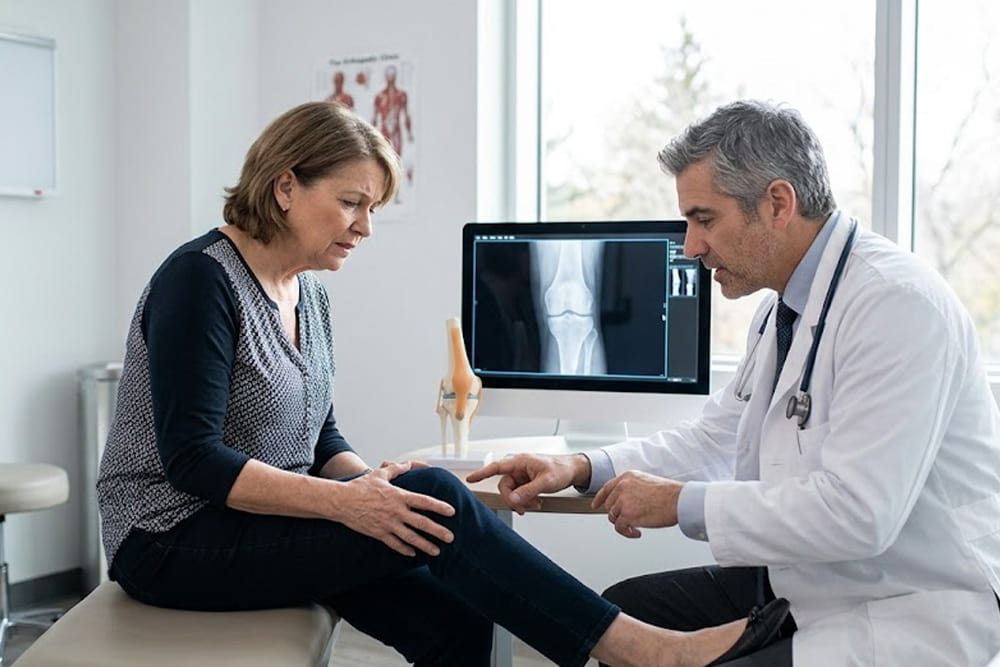
Knee pain is one of those things many people try to ignore — until it starts limiting what they can do. A twinge after a workout is one thing; pain that lingers for weeks, swells without explanation, or makes the stairs feel like a mountain is something else entirely. Knowing when to stop self-treating and call a specialist can make the difference between a quick recovery and a long-term problem.
How Long Is Too Long?
Most minor knee injuries — a tweak from a bad step, mild soreness after a hike — should improve within a week or two with rest, ice, and over-the-counter anti-inflammatories. If pain is still present after three weeks, isn’t getting better, or is getting worse, that’s a clear signal something more is going on than simple soft-tissue strain.
Pain that wakes you up at night, pain that doesn’t correlate with any activity, and pain accompanied by morning stiffness all warrant a closer look. These patterns often point to underlying joint changes that won’t resolve on their own.
Warning Signs to Take Seriously
Some symptoms suggest something structural rather than just inflammation. Visible swelling that doesn’t go down, a knee that locks or catches when you bend it, instability or buckling when you bear weight, and a popping sound at the moment of injury are all signs to schedule an evaluation.
Bruising that appears without obvious trauma, persistent warmth around the joint, or pain that’s sharp rather than achy can also indicate that imaging is needed. The sooner an accurate diagnosis is made, the sooner the right treatment plan can begin.
What an Orthopedic Specialist Brings
Primary care providers are excellent first-line resources, but knee anatomy is complex — ligaments, cartilage, tendons, bone, and meniscus all interact. An orthopedic surgeon has the training and diagnostic tools to identify exactly which structure is involved and what’s driving the pain.
That specialist evaluation usually includes a hands-on physical exam, weight-bearing X-rays, and often an MRI when soft-tissue injury is suspected. The result is a precise diagnosis rather than a generic ‘knee pain’ label — which is essential for choosing the right treatment.
Treatment Doesn’t Always Mean Surgery
Many patients are surprised to learn that the majority of orthopedic visits don’t end in a surgical recommendation. Physical therapy, targeted injections, activity modifications, and bracing resolve most knee complaints. Surgery enters the conversation only when conservative care has failed or when the underlying damage is severe enough that delay would worsen outcomes.
Even when surgery is needed, modern arthroscopic techniques are far less invasive than they used to be. Recovery times have shortened, and same-day procedures are now common.
Getting Quality Care Locally
Treasure Valley residents don’t need to travel out of state for specialist-level musculoskeletal care. Working with an experienced orthopedic surgeon in Meridian Idaho means you can get an accurate diagnosis, conservative treatment, and surgical care if needed — all from the same team that knows your case.
Don’t Wait It Out
Knee pain that lingers usually has a cause worth identifying. Catching the problem early often means simpler treatment, faster recovery, and a better long-term outcome. If your knee hasn’t been right for weeks, the right next step is a conversation with someone who specializes in exactly this.
Did you find this article helpful? Check out the rest of our blog!
Read Also
- Where to Find Reliable Mental Health Support for Teens
 Have you noticed changes in your teen’s mood, sleep, or behavior that leave you worried? Growing up can bring stress from school, friends, family, and new demands. Some teens may struggle to share their feelings or ask for help, even when they need support. Finding the right mental health support for teens can help them… Read more: Where to Find Reliable Mental Health Support for Teens
 - Top Trends Shaping the Future of Mental Health CareMental health care is moving fast to meet daily human needs. People want direct care that fits modern life. Clinics respond by creating flexible options that make healing easier to reach. Providers look past rigid habits to give people solid care. From smart tools to body wellness, these changes help people find relief when life… Read more: Top Trends Shaping the Future of Mental Health Care
- Full-Arch Dental Tourism: Why UK Patients With Severe Bone Loss Are Looking AbroadDental implants have become one of the fastest-growing segments of private dentistry. Within that market, one patient group behaves very differently from the rest: people who have been told they do not have enough upper jawbone for conventional implants. For these patients, the choice is rarely between one clinic and another. It is between a… Read more: Full-Arch Dental Tourism: Why UK Patients With Severe Bone Loss Are Looking Abroad
- Levels of Mental Health Care and When to Seek SupportMental health care can range from occasional outpatient appointments to 24-hour hospital treatment. The appropriate level depends on safety, symptom severity, daily functioning, medical needs, available support, treatment history and personal preferences. A licensed clinician should assess these factors rather than relying on a symptom list alone. Need help now? In the United States, call… Read more: Levels of Mental Health Care and When to Seek Support
- How to Choose a Shilajit Brand Based on the ResearchIn a randomized trial published in the Journal of the International Society of Sports Nutrition in 2019, 63 active men took 250 mg of standardized shilajit, 500 mg, or a placebo every day for eight weeks, and the benefit for strength retention after a fatiguing workout appeared only at 500 mg. For anyone choosing a… Read more: How to Choose a Shilajit Brand Based on the Research
- How to Incorporate Relaxation into Your Busy ScheduleFinding balance when you have a packed daily agenda often feels out of reach. Between work duties, family obligations, and personal projects, personal rest usually gets pushed to the bottom of the list. Small, intentional shifts in daily habits can help restore calm without requiring hours of extra free time. Continue reading to discover everything… Read more: How to Incorporate Relaxation into Your Busy Schedule
- Red Light Therapy for Skin and Wellness: Meet Vital Red Light TherapyModern wellness is not always about complicated treatments or long routines. Many people are now looking for simple, convenient ways to support their skin, recovery, and overall wellness at home. One technology getting more attention is red light therapy. Red light therapy uses specific wavelengths of red and near-infrared light to support the body’s natural… Read more: Red Light Therapy for Skin and Wellness: Meet Vital Red Light Therapy
- Managing Shock Loss After a Hair Transplant: The Financial and Clinical Imperative of Post-Op CareIn the rapidly evolving landscape of private healthcare, executive leadership within cosmetic and restorative surgery clinics faces a dual challenge: maintaining strict clinical standards while maximizing patient lifetime value (LTV) and brand advocacy. As the global medical tourism and elective procedure markets expand, clinical outcome quality alone is no longer the sole differentiator for premium… Read more: Managing Shock Loss After a Hair Transplant: The Financial and Clinical Imperative of Post-Op Care